Jamnagar, Gujarat, is widely recognised as an important centre for brass component manufacturing in India. Businesses across industrial and engineering sectors look to this manufacturing hub for brass parts that meet their application requirements. However, choosing the right brass parts manufacturer in Jamnagar involves more than comparing prices. Buyers must also consider material suitability, manufacturing accuracy, quality control, and the supplier's ability to understand their technical requirements.
Brass components are used in various applications because of their machinability, versatility, and useful corrosion-resistance properties. Selecting appropriate components helps businesses maintain assembly accuracy, support equipment performance, and manage procurement requirements effectively.
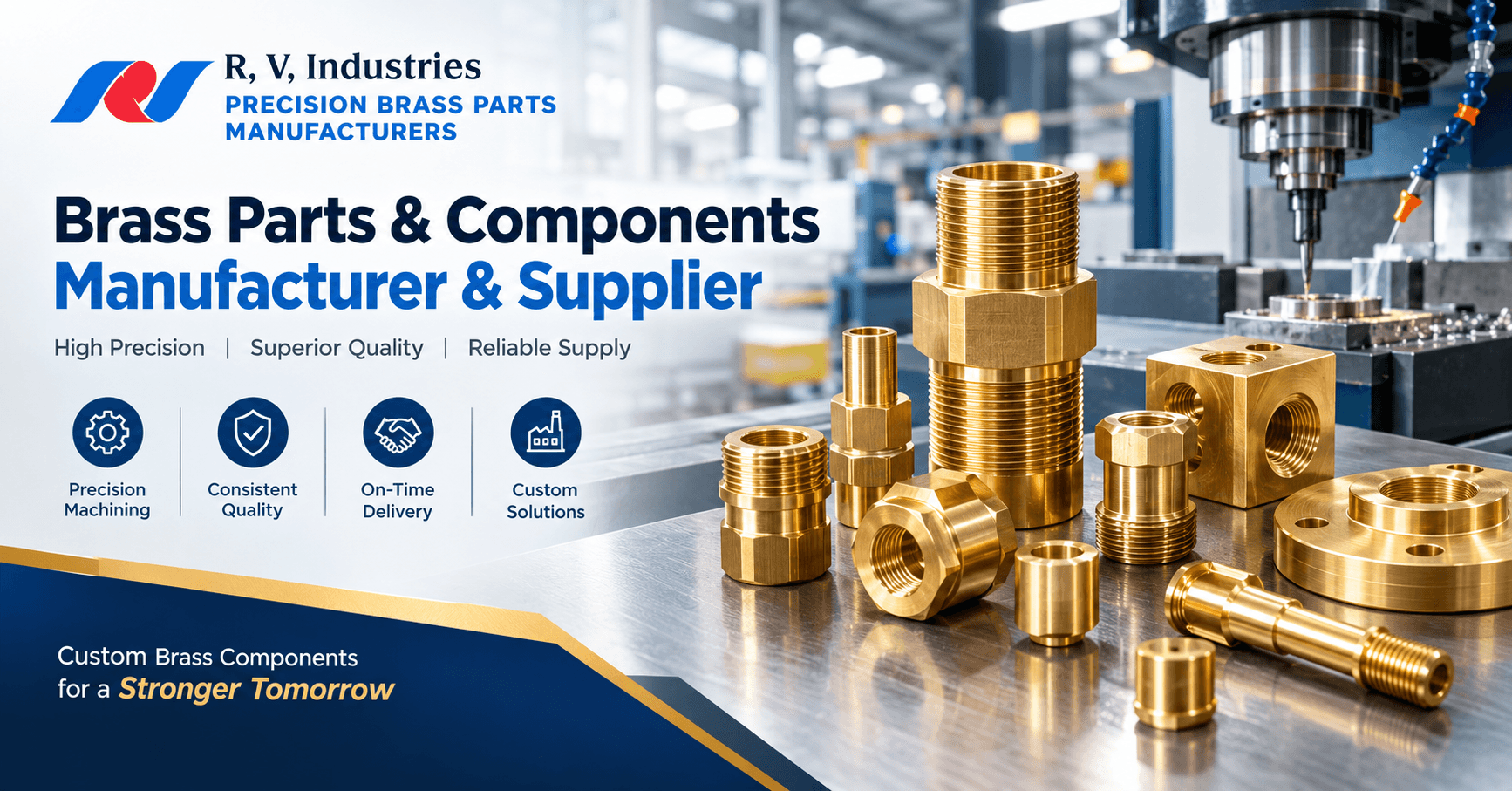
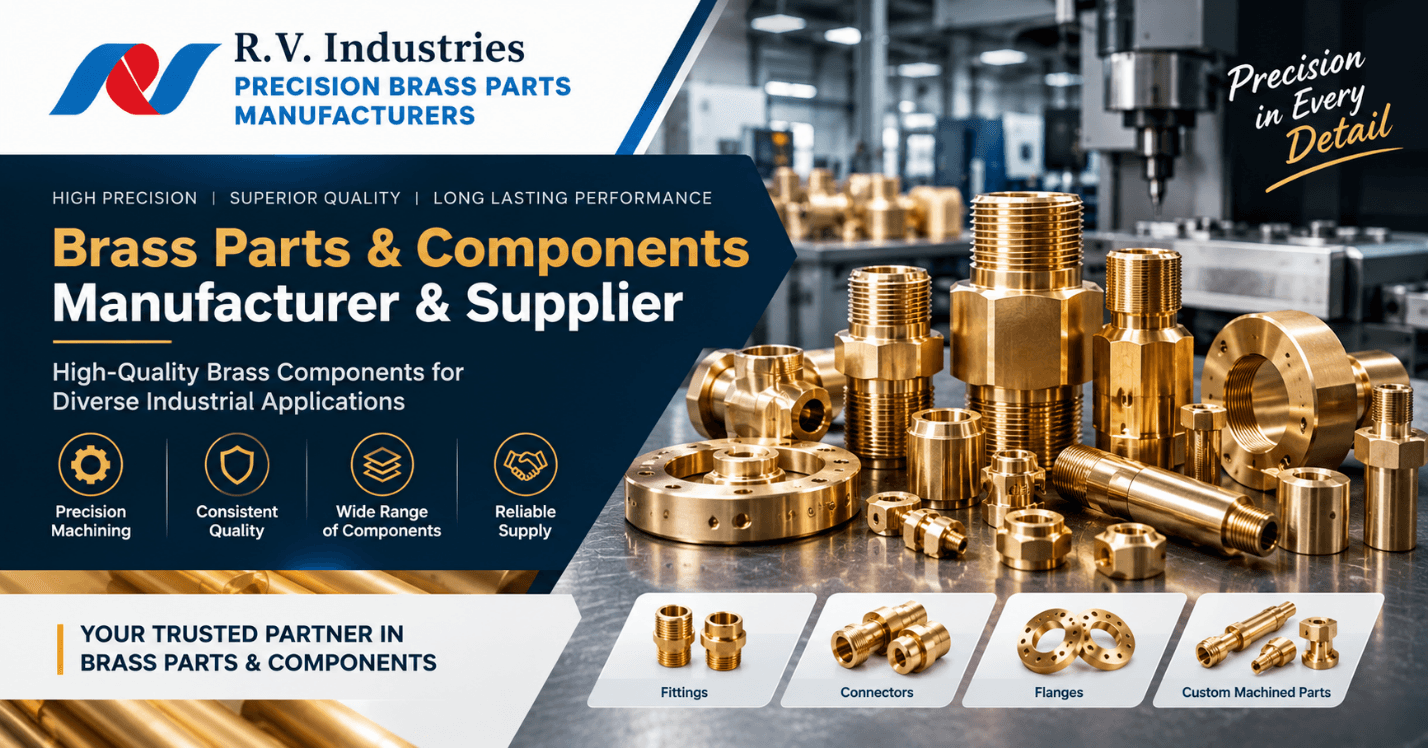
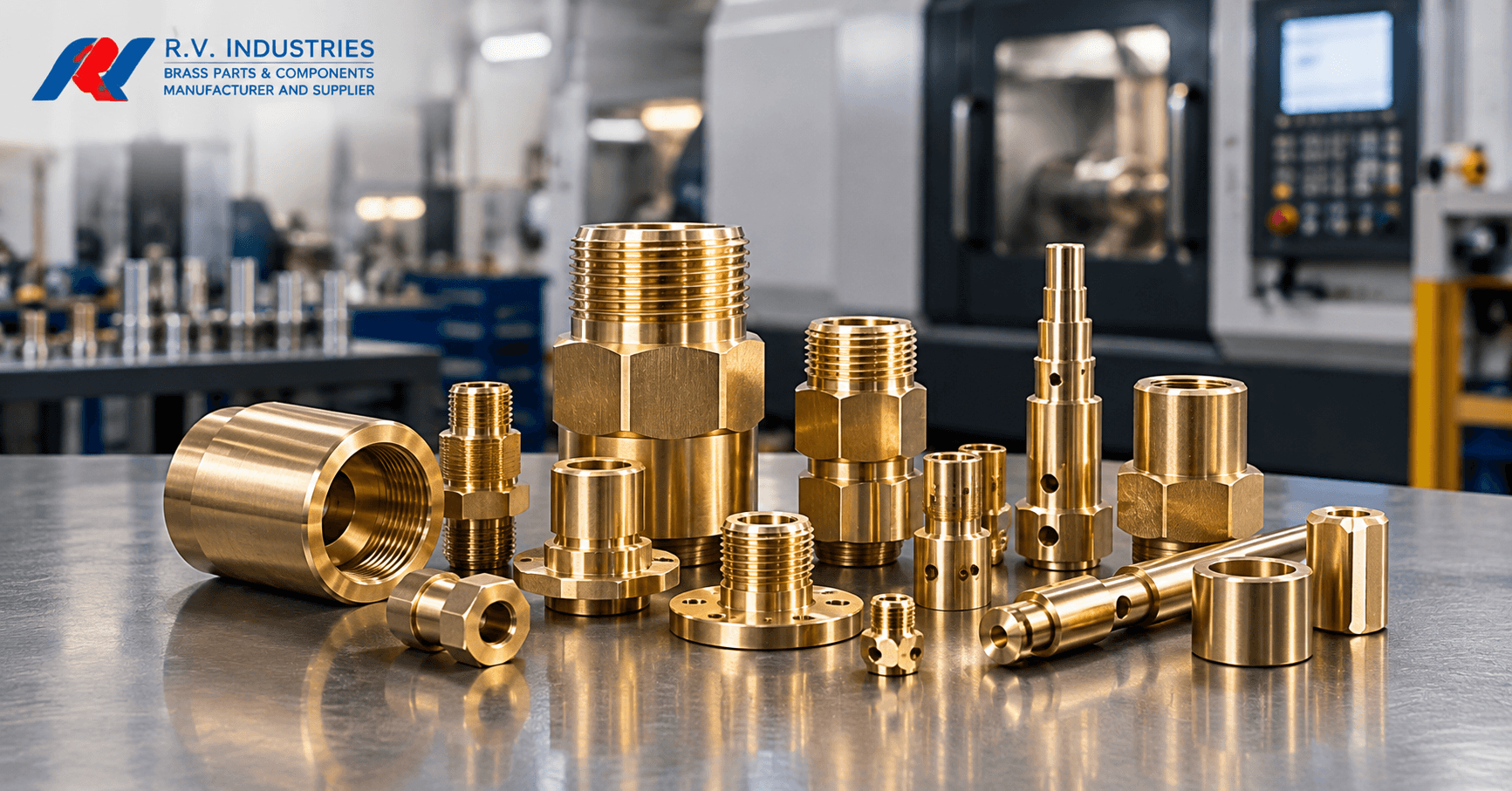
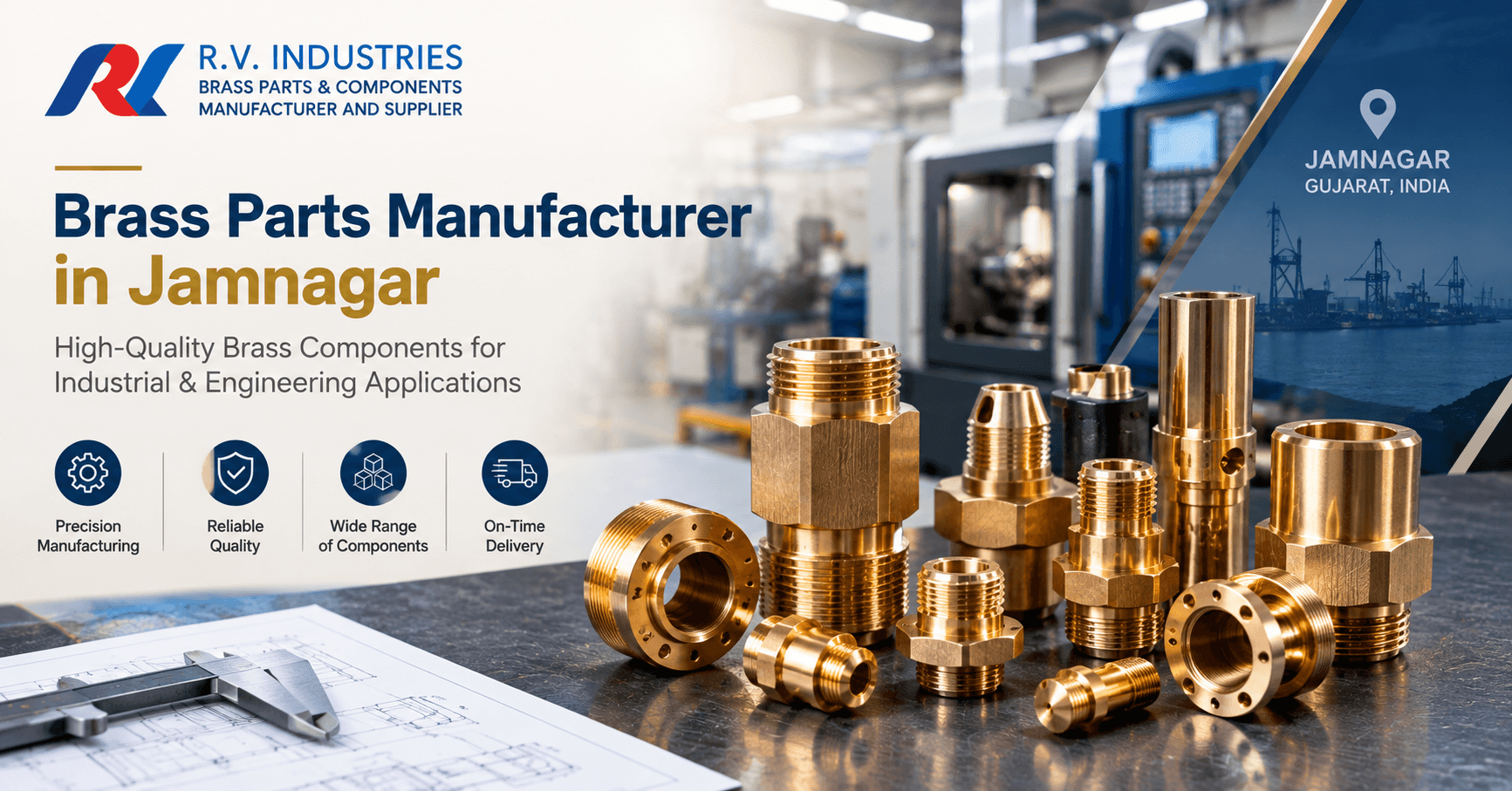
R.V. Industries is a brass parts manufacturer based in Jamnagar, India, offering brass components for industrial applications. For businesses searching for a dependable manufacturing partner, understanding the factors that influence component quality can help make the sourcing process more straightforward.
Why Is Jamnagar Important for Brass Parts Manufacturing?
Jamnagar has an established brass manufacturing ecosystem that supports the production of components for different industrial and engineering applications. Its manufacturing base makes the city a relevant sourcing destination for businesses seeking brass parts from India.
The availability of manufacturing expertise and supporting industrial activities can help buyers explore different component requirements. However, each supplier should be evaluated individually because manufacturing capabilities, production processes, and quality practices can vary.
Supporting Industrial and Engineering Requirements
Industrial businesses often need brass components that meet specific dimensions, material requirements, and functional expectations. Manufacturers must understand these requirements before selecting suitable production methods.
Depending on the application, brass parts may be used in machinery, electrical assemblies, equipment connections, and other engineered products.
Working with a manufacturer that understands the intended application helps buyers communicate their requirements more clearly and evaluate whether a component is suitable for its purpose.
Why Businesses Source Brass Parts from Jamnagar
Businesses may consider Jamnagar manufacturers when looking for brass components for domestic or international supply requirements.
Important considerations include:
- Access to a recognised brass manufacturing centre in India.
- Opportunities to discuss component designs and technical specifications directly with manufacturers.
- The ability to compare suppliers according to manufacturing suitability and quality expectations.
- Options for sourcing components according to defined industrial and engineering requirements.
These advantages do not eliminate the need for supplier evaluation. Buyers should confirm the relevant manufacturing capabilities, material requirements, inspection procedures, and delivery arrangements before placing an order.
What Does a Brass Parts Manufacturer Do?
A brass parts manufacturer produces components from brass alloys according to specific design and application requirements. Manufacturing activities may include machining, cutting, forming, finishing, and inspection, depending on the component and the production process.
The objective is to produce parts that meet agreed specifications and perform appropriately in their intended applications.
Understanding Brass as an Industrial Material
Brass is an alloy primarily made from copper and zinc. Its composition can vary, giving different brass grades different mechanical, machining, and corrosion-resistance characteristics.
These properties make brass useful for selected industrial applications. However, the correct material depends on the component's operating environment, design, and functional requirements.
For example, a component used in an electrical assembly may have different material requirements from one intended for a mechanical connection. Choosing an appropriate brass grade is therefore an important part of the manufacturing process.
Applications of Brass Components
Brass parts can be used in a variety of industrial and engineering settings.
Electrical and Electronic Equipment
Certain brass components are suitable for electrical applications because brass offers electrical conductivity and machinability. Component design, alloy selection, and operating conditions determine whether a particular part is appropriate.
Industrial Machinery
Machinery and equipment may require metal components for connections, assemblies, or other mechanical functions. Brass can be suitable where its material properties align with the design requirements.
Plumbing and Fluid-Handling Applications
Some brass alloys are used in fluid-handling equipment and plumbing-related applications. Buyers should confirm that the selected material is compatible with the fluid, pressure, temperature, and other operating conditions.
Lead-Free Brass Components: What Should Buyers Know?
Lead-free brass components are an important consideration for applications where material composition is subject to specific safety, regulatory, or customer requirements.
Traditional brass alloys may contain lead to improve machinability. Lead-free alternatives are formulated to reduce lead content, making them relevant for applications where restrictions on lead are applicable.
However, the term lead-free should be understood in the context of the applicable standard, regulation, and permitted lead content. Buyers should verify the required material composition and supporting documentation rather than relying on a general product description.
When Are Lead-Free Brass Parts Required?
The need for lead-free brass depends on the component's intended use and the requirements governing the finished product.
For example, certain drinking-water contact applications may be subject to specific lead-content limits. Other industrial applications may follow different customer or regulatory requirements.
Before ordering, buyers should identify the applicable requirements and confirm that the material meets them.
Questions to Ask About Lead-Free Materials
When discussing lead-free brass components with a manufacturer, consider asking:
- Which brass alloy and material composition will be used?
- What lead-content limit applies to the intended application?
- What material documentation or testing evidence is available?
- Are any additional regulatory or customer-specific requirements applicable?
These questions help establish clear expectations and support more informed purchasing decisions.
How to Choose the Right Brass Parts Manufacturer in Jamnagar
Selecting a manufacturing partner requires evaluating both technical suitability and the overall procurement process. A supplier should understand your requirements and communicate clearly about the components it can produce.
1. Evaluate Manufacturing Capabilities
Begin by explaining the type of brass component you require. Share available drawings, dimensions, tolerances, and other technical information.
Ask the manufacturer to confirm whether the component can be produced according to those specifications. This step helps identify potential manufacturing limitations before an order is placed.
2. Confirm Material Requirements
The material should be suitable for the component's intended function. Specify the required brass grade where known and communicate any restrictions concerning lead content, corrosion resistance, or other material properties.
If the application has regulatory requirements, clarify them before production.
3. Understand Quality Control
Quality control helps determine whether manufactured components meet the agreed specifications.
Depending on the product, relevant checks may include dimensional inspection, visual examination, material verification, and surface-finish assessment.
Discuss which characteristics are critical and how they will be checked. Do not assume that every manufacturer follows identical inspection procedures.
4. Compare Pricing and Delivery Expectations
Price is an important factor, but it should not be the only consideration. Compare quotations against equivalent material, dimensions, tolerances, finishing requirements, quantities, and inspection expectations.
Clarify production timelines, packaging, delivery arrangements, and communication procedures before confirming the order.
A clear agreement helps reduce misunderstandings and supports better procurement planning.
Why Consider R.V. Industries for Brass Parts?
R.V. Industries is a brass parts manufacturer in Jamnagar, India, offering brass components for industrial applications, including lead-free brass components.
For businesses researching manufacturers in Jamnagar, understanding a supplier's background and product focus is a useful starting point. The next step is to determine whether its offerings align with the technical and material requirements of a particular project.
R.V. Industries provides information about its business and manufacturing focus on its About Us page.
Preparing for a Brass Parts Enquiry
Before contacting a manufacturer, prepare the information needed to evaluate your component requirement.
Information to Share with the Manufacturer
Consider providing the following details:
- Component drawings, dimensions, and required tolerances.
- Brass grade or material composition requirements.
- Required lead-content limits or other application-specific conditions.
- Order quantity, finishing expectations, and delivery requirements.
The more clearly these requirements are communicated, the easier it becomes to assess manufacturing suitability and clarify any outstanding technical questions.
For repeat orders, buyers should also document approved specifications and quality expectations to support consistency between production batches.
Frequently Asked Questions
1. Why should I look for a brass parts manufacturer in Jamnagar?
Jamnagar is an established brass manufacturing centre in India. Businesses may consider manufacturers in the city when sourcing brass components for industrial and engineering applications. The right supplier depends on its capabilities and ability to meet the required specifications.
2. What does a brass parts manufacturer in Jamnagar produce?
Manufacturers may produce brass components for machinery, electrical assemblies, engineering equipment, and other applications. The actual products available depend on each manufacturer's capabilities, materials, and production processes.
3. What are lead-free brass components?
Lead-free brass components are made using brass materials formulated to meet applicable lead-content requirements. Buyers should verify the exact alloy composition and relevant standards because the definition and permitted lead content can vary by application and regulation.
4. How can I choose a reliable brass parts supplier?
Evaluate manufacturing capabilities, material suitability, quality-control procedures, communication, pricing, and delivery arrangements. Provide clear technical specifications and confirm that the supplier can meet your requirements before placing an order.
5. What information is required to order brass components?
Useful information includes component drawings, dimensions, tolerances, material requirements, surface finish, quantity, and delivery expectations. Application-specific requirements, including lead-content restrictions, should also be communicated.
6. Where can I learn more about R.V. Industries?
You can visit the R.V. Industries About Us page to learn more about the company and its focus on brass parts and industrial components.
Conclusion
Choosing the right brass parts manufacturer in Jamnagar involves understanding the component's application, selecting suitable materials, evaluating manufacturing capabilities, and confirming quality requirements. Businesses should also pay particular attention to material composition and applicable lead-content restrictions when sourcing lead-free brass components.
Jamnagar offers an established manufacturing environment for brass parts, but selecting the right supplier requires careful evaluation of each project's technical and commercial needs.
R.V. Industries manufactures and supplies brass components for industrial applications, including lead-free brass components. Visit the R.V. Industries About Us page to learn more about the company and explore whether its offerings suit your brass component requirements.